
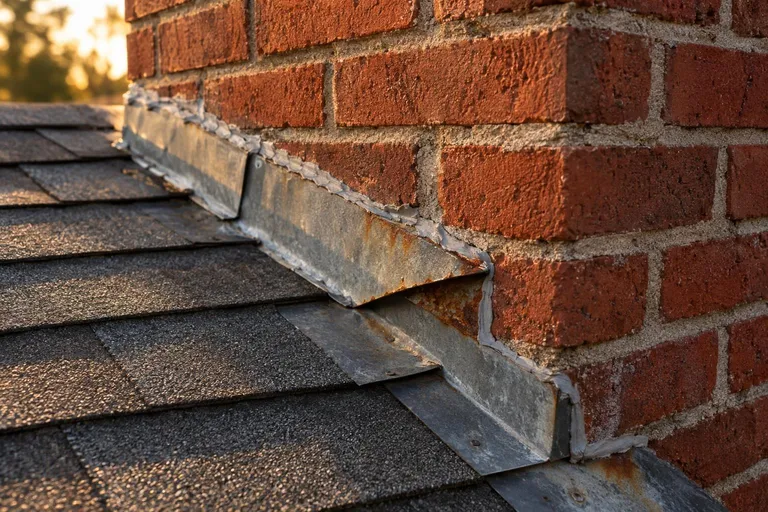
Flashing and gutters: where most roof leaks begin
Shingles get the credit, but the metal and the drainage do the real work. We check the details other people skip.
What the inspector examines
- Chimney, sidewall and step flashing
- Valley metal and debris buildup
- Skylight and penetration flashing
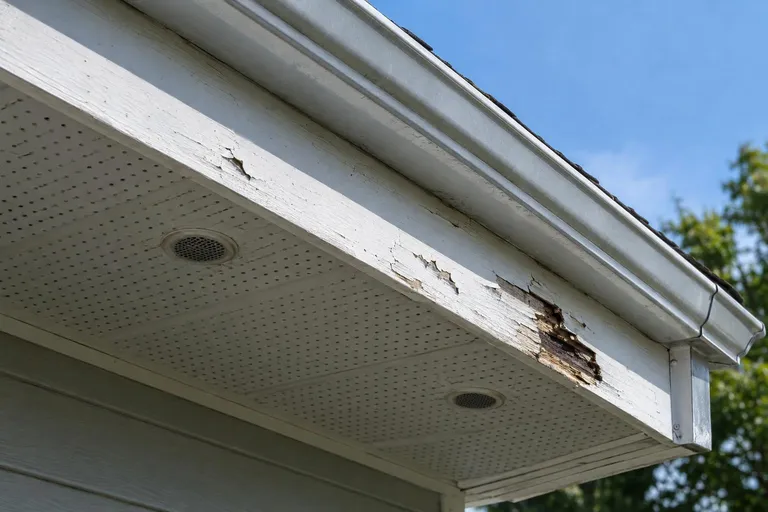
- Gutter slope, fasteners and clogs
- Fascia, soffit and drip edge condition
- Downspout discharge and splash back
How the investigation works
Most leaks start where roof planes, walls and pipes meet. We examine every joint, then trace how water leaves the roof and where it goes next.
- Free inspection
- Photo evidence
- Plain-English notes
- No sales pressure
What lands in your hands
- Photos of each flashing detail
- Gutter and drainage findings
- A prioritized list of repairs
- Clear, honest advice
Frequently asked questions
Why do flashing leaks happen?
Metal moves, sealant dries out and nails rust. Each is a small failure with big consequences.
Can clogged gutters hurt the roof?
Yes. Backed-up water can rot fascia, damage the roof edge and soak the wall.
Is a gutter check included?
Yes. Gutters and drainage are part of a complete roof inspection.
Related cases
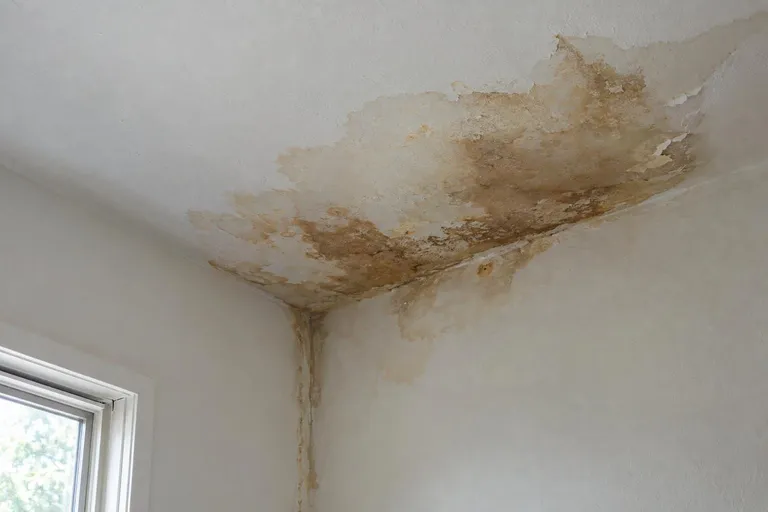
Roof Leak Detection
Ceiling stains, attic clues and roof-surface evidence connected, so the real source is found.
Open this case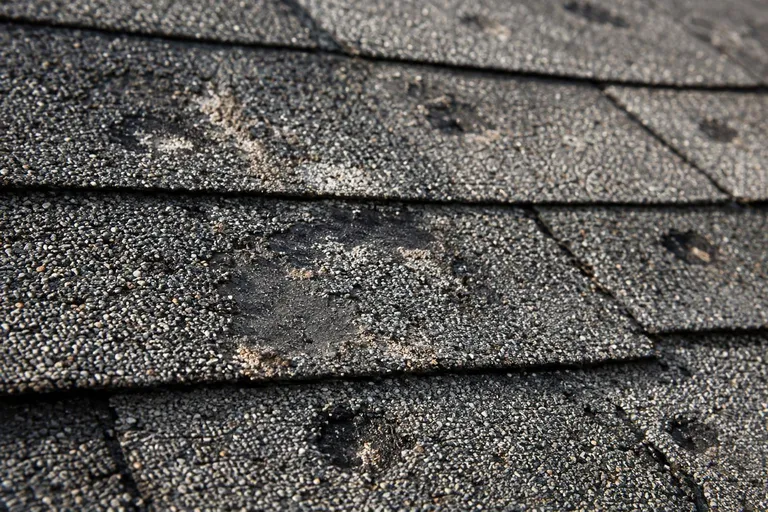
Free Roof Inspection
Our flagship walk-through: roof surface, flashing, gutters and ventilation, documented with photos.
Open this case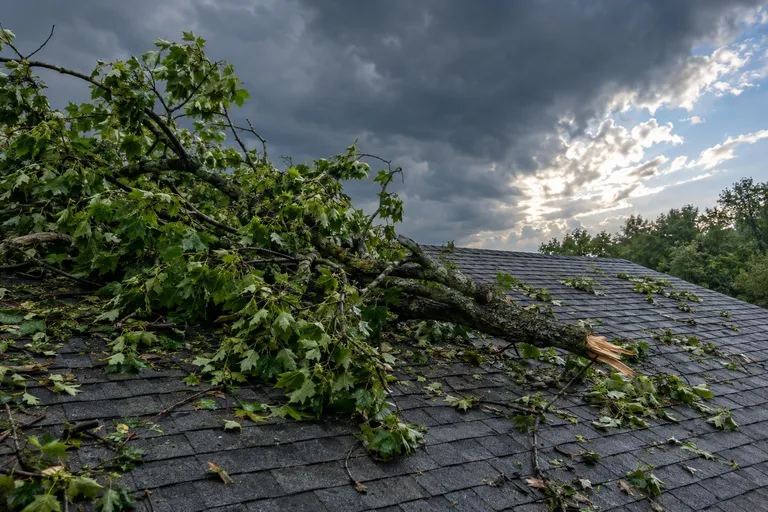
Storm, Hail & Wind Damage Inspection
Hail bruises, wind creases, lifted tabs and impact marks: documented while the evidence is fresh.
Open this case